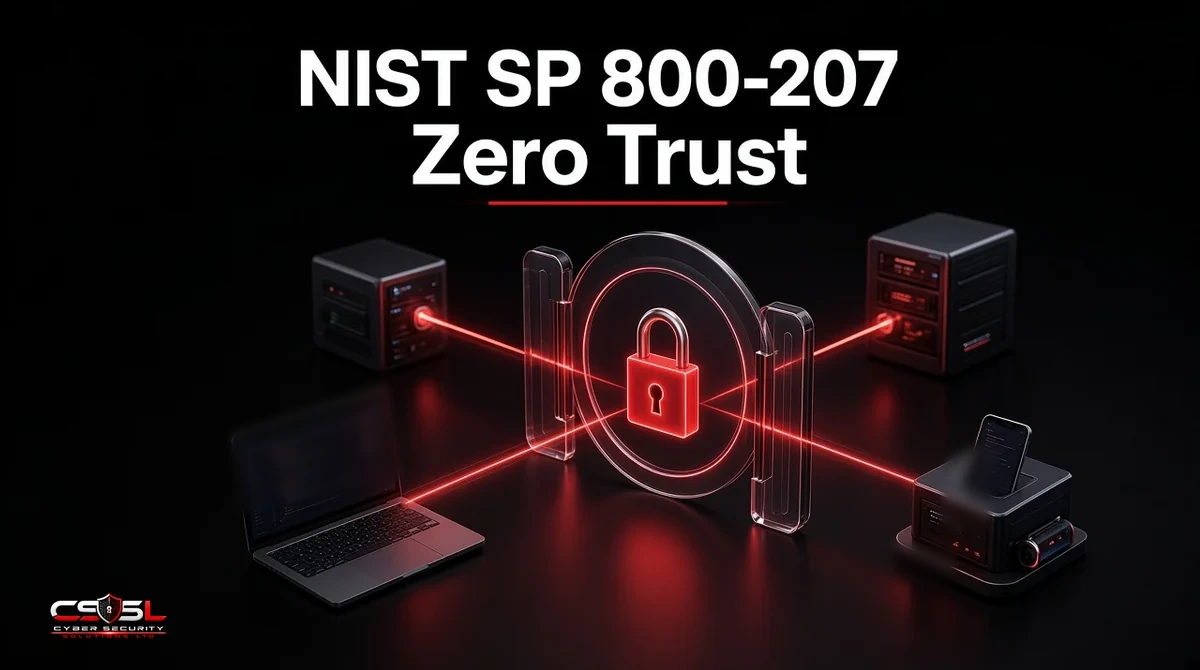
NIST SP 800-207 Zero Trust Architecture: A Plain Guide
Security teams hear “zero trust” in every vendor pitch. NIST SP 800-207 is the document many of those pitches quietly borrow from. Released by NIST in August 2020, it defines zero trust architecture in plain architectural terms: tenets, components, approaches and threats, without selling a product.
What Is NIST SP 800-207?
NIST SP 800-207 is NIST Special Publication 800-207, “Zero Trust Architecture,” a free federal guidance document published in August 2020. It describes zero trust as a cybersecurity model that assumes no implicit trust based on network location and instead evaluates each access request with identity, device and other signals.
Where to Get the Official NIST SP 800-207 PDF
NIST hosts the final publication on its Computer Security Resource Center site under the SP 800-207 record for the 2020 final. Search for “NIST SP 800-207” on csrc.nist.gov to open the official page and download the PDF free of charge. This article summarizes the document; it does not replace reading the source.
Who Wrote It and Why It Matters (EO 14028 and OMB M-22-09)
NIST authored SP 800-207 with industry and government input. After Executive Order 14028 (2021) on improving the nation’s cybersecurity, OMB Memorandum M-22-09 told US federal agencies to move toward zero trust using this architecture as a reference. Vendors, auditors and enterprises outside government also use it as a shared vocabulary when they compare roadmaps.
The 7 Tenets of Zero Trust in the Publication
The publication states seven basic tenets. In short:
- All data sources and computing services are considered resources.
- All communication is secured regardless of network location, including traffic inside the campus.
- Access to individual enterprise resources is granted per session, not for an open-ended period.
- Access is determined by dynamic policy, including identity, application/service and observable state.
- The enterprise monitors and measures the integrity and security posture of all owned and associated assets over time.
- All resource authentication and authorization are dynamic and strictly enforced before access is allowed at all.
- The enterprise collects information about the current state of assets, network infrastructure and communications to improve its security posture.
Least privilege appears throughout these tenets as a design rule, not a separate product you buy once and forget.
Core Components of the Architecture
Policy Engine, Policy Administrator and Policy Enforcement Point
The policy engine decides whether to grant access. The policy administrator executes that decision by commanding the enforcement points. Policy enforcement points sit in the path of the request and allow, deny or revoke sessions. The document treats these as logical roles; products may combine them.
Policy Information Sources (CDM, SIEM, Threat Intel, Identity)
The policy engine consumes inputs such as continuous diagnostics and mitigation (CDM) data, identity systems, SIEM events and threat intelligence feeds. Better inputs mean better trust decisions and fewer false grants.
Control Plane vs Data Plane
Control-plane traffic carries policy decisions and configuration. Data-plane traffic carries the user’s or service’s actual workload. Separating them limits how far an attacker can move if one plane is abused, and it makes monitoring clearer for operators.
The Three Deployment Approaches
The document describes three approaches organizations often mix:
Enhanced Identity Governance
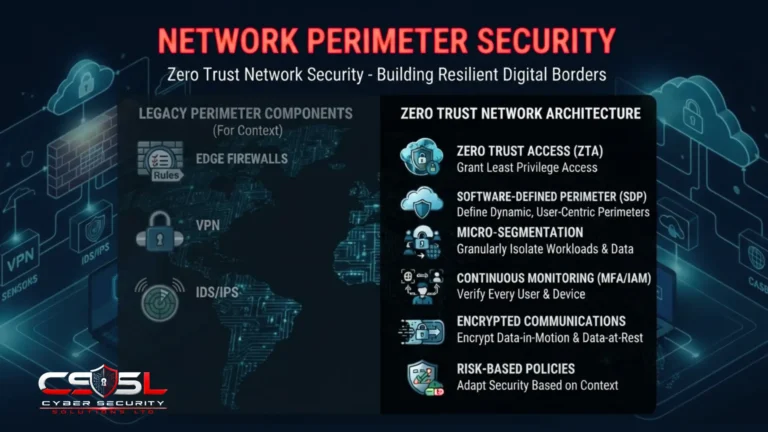
Identity and access decisions become the primary gate. Strong authentication, device posture checks and authorization policies sit in front of applications so network location alone never grants access.
Micro-Segmentation
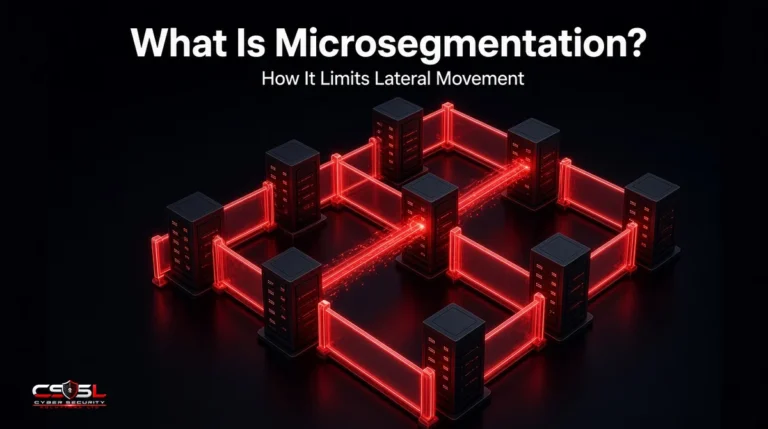
Resources are placed in small network segments with tightly controlled east-west paths, so a breach in one segment does not freely reach others. This approach pairs well with existing microsegmentation programs.
Network Infrastructure and Software-Defined Perimeters
Software-defined perimeters and related overlays hide resources until a client is authenticated and authorized, reducing the exposed attack surface that scanners and opportunistic malware can see.
Deployment Models and Use Cases
The publication walks through models such as device agent and gateway, enclave-based approaches, resource portal models and cloud or cloud-to-cloud patterns. Use cases include enterprise sites with remote users, multi-cloud applications and collaboration with contractors or partners. The right model depends on where users, devices and applications already live, and on how much legacy traffic you must leave untouched at first while you migrate.
Threats Named in the Standard
The standard is frank that zero trust is not magic. It discusses threats such as stolen credentials, compromised devices or enforcement points, policy engine subversion, denial of service against decision infrastructure and insider abuse. Architecture still needs monitoring, patching, backups and a practiced incident response plan.
Migrating to Zero Trust This Way
The document recommends a migration mindset: inventory assets and flows, pick a candidate business process, enforce stronger identity and segmentation around it, then expand. The guide does not require a “rip and replace” of the entire network on day one. Early wins often come from remote access and a few high-value applications.
Related NIST Guidance: SP 800-207A and SP 1800-35
After the 2020 publication, NIST released related material, including SP 800-207A on a zero trust approach to enterprise mobility and the SP 1800-35 practice guide series with example implementations. Read SP 800-207 first for the architecture, then the companion papers for deeper mobile and example-implementation scenarios before locking a tool shortlist.
Is the Publication Mandatory? US and UK View
For US federal civilian agencies, zero trust migration is driven by EO 14028 and OMB M-22-09, with this architecture document as the reference. It is not a certification checklist by itself. In the UK, organizations more often follow NCSC zero trust design principles; the NIST text remains a useful companion, not a UK legal mandate.
Turning the Guidance Into Action
The publication gives the shared language. Your next moves are asset inventory, identity strength, segmentation and continuous measurement. Use this guide to brief stakeholders, then implement with your existing zero trust and microsegmentation programs rather than waiting for a perfect greenfield redesign that never ships. For help translating the publication into a roadmap, contact Cyber Security Solutions Ltd through our contact page.
FAQs
Yes. NIST Special Publications are free to download from NIST's Computer Security Resource Center. There is no paid edition of NIST SP 800-207. Be wary of third-party sites that rehost the PDF behind a registration wall when the official copy is available at no cost from NIST.
The core Zero Trust Architecture document remains the August 2020 final. NIST has added related publications such as SP 800-207A and SP 1800-35 rather than replacing SP 800-207 wholesale. Check the CSRC record for any errata or status notes when you download the file.
NIST SP 800-207 defines the architecture: tenets, logical components and approaches. CISA's Zero Trust Maturity Model helps agencies score progress across pillars such as identity, devices, networks, applications and data. Many programs use both: NIST for design, CISA for maturity tracking.
Yes, in stages. Small teams can adopt the tenets without building every logical component as a separate product. Start with MFA, device health checks, least privilege and tighter remote access, then add segmentation as staff and tooling allow. The publication's migration advice fits limited budgets better than a big-bang redesign.
No. The publication is vendor-neutral architecture guidance. It names roles such as policy engine and enforcement point, not brands. Map those roles to tools you already own where possible, and fill gaps only where the architecture needs a capability you lack today.
There is no fixed timeline in the document. Federal agencies work to government milestones; commercial firms set their own. Most organizations treat alignment as a multi-year program of prioritized use cases, not a one-quarter project with a single product purchase.