Data-Centric Security: How to Protect the Data Itself
Data-centric security is a security model that protects the data itself, rather than relying only on the networks, servers and devices around it. It finds and classifies sensitive data, then applies encryption, access rules, masking and monitoring that stay with the data wherever it is stored, shared or used.
The shift matters because data no longer stays inside one office network. It sits in SaaS apps, personal devices, partner systems and AI tools, so a model built around a perimeter leaves much of it unprotected.
Data-Centric vs Network-Centric Security
| Network-centric | Data-centric | |
|---|---|---|
| Protects | The network and its edges | The data, wherever it goes |
| Main controls | Firewalls, VPNs, segmentation | Classification, encryption, access policies, DLP |
| Weak point | Data copied outside the network | Data never discovered or classified |
| Fits | Office-based, on-premises systems | Cloud, remote work, sharing with partners |
The two are not rivals. Network controls still slow attackers. Data-centric controls decide what happens when those defenses are passed or when data travels beyond them.
Why Data-Centric Security Matters Now
Several changes push organizations toward this model: cloud and SaaS adoption, remote and hybrid work, more sharing with suppliers, staff pasting information into AI tools, and insider risk from people who already have legitimate access. In each case, the network boundary does little to protect the information once it moves.
The Five Pillars of a Data-Centric Security Model
- Discovery: find where sensitive data lives, including copies in email, file shares and cloud apps.
- Classification: label data by sensitivity, such as public, internal, confidential and restricted.
- Protection: apply encryption, masking or tokenization according to the label.
- Access control: grant access based on identity, role and context, with least privilege.
- Monitoring and auditing: track who uses data and alert on unusual activity.
Data-Centric Security and Zero Trust
Zero trust says no user or device is trusted by default and every access should be verified. NIST’s Zero Trust Architecture guidance (SP 800-207, 2020) places resources, including data, at the center of that model. Data-centric security supplies the labels and policies that let zero trust decisions reflect how sensitive each piece of data is.
Data-centric security also changes how teams think about incidents. Instead of asking only how an attacker got in, they ask which labeled data the attacker could reach and whether its protections held. That question focuses investigation and notification on the information that matters, and it shows quickly where labels or encryption were missing. Over time, incident reviews become a useful source of improvements to the classification scheme itself.
Data-Centric Security Technologies
- Data discovery and data security posture management (DSPM) tools that map sensitive data across clouds
- Classification and labeling tools that tag files and records
- Encryption and rights management that travel with documents
- Tokenization and masking for databases and test environments
- Data loss prevention for email, endpoints and cloud
- Identity and access management that enforces who can open what
Data-Centric Security Examples
Three short examples show the model in practice.
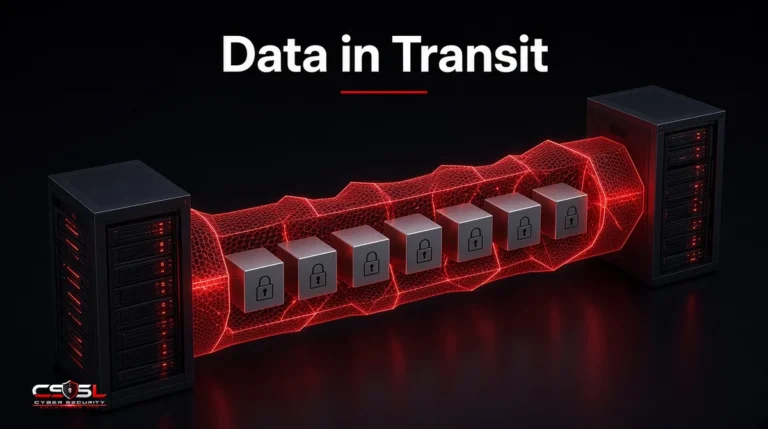
A labeled file that stays protected after it is emailed. A finance analyst sends a “Confidential” board pack to the wrong person. Because the label applied encryption and limited access to named staff, the recipient cannot open it.
A masked database column. Developers testing a customer app see realistic but fake card numbers, while only the payment service can read real values.
A revoked shared link. A project ends, and the owner revokes a partner’s access. Copies the partner downloaded become unreadable because the rights travel with the file.
Picture an illustrative 150-person healthcare supplier preparing for a large contract. Its network is well segmented, yet patient-related spreadsheets sit in personal OneDrive folders and are shared with external clinicians by link. A data-centric approach starts there: discover those files, label them, apply automatic encryption for anything marked restricted, and replace open links with named-user sharing. Use this decision rule to set priorities: protect first the data that would cause the most harm if exposed and that leaves your network most often, because that is where perimeter controls give the least coverage.
How to Implement Data-Centric Security: Six Steps
- Define what counts as sensitive for your business and the laws that apply, such as UK GDPR, HIPAA or contracts.
- Discover and inventory that data across on-premises and cloud systems.
- Set a simple classification scheme of three or four levels that staff can understand.
- Map controls to each level, such as encryption and external sharing limits for “restricted”.
- Automate where possible with default labels and DLP rules, and start in monitor mode before blocking.
- Monitor, review and adjust regularly, using access logs and user feedback.
Measuring Progress
A data-centric program needs simple measures so leadership can see it working. Track the share of known sensitive data stores that have been discovered and labeled, the number of files shared externally with open links, the percentage of restricted data protected by encryption, and how many DLP alerts turn out to be real issues rather than false positives. Review these figures quarterly.
Expect early numbers to look worse before they improve, because discovery reveals data nobody knew about. That is a sign the program is working. Over time the goal is fewer unknown data stores, fewer open links and faster responses when sensitive data moves somewhere it should not.
Who Owns Data-Centric Security?
Security teams can run the tools, but they cannot decide alone how sensitive a sales forecast or a clinical record is. Assign data owners in the business for each major data set, such as finance, HR and customer records. Owners approve the classification of their data, decide who should have access and review exceptions. Security sets the standards and monitors, legal and privacy staff advise on regulation, and IT applies the technical controls. Writing this split down in a short policy prevents the common stall where every decision waits for someone else.
Challenges and How to Overcome Them
- Too many labels: keep the scheme short, or staff will pick at random.
- Unknown data: start discovery with the systems that hold the most sensitive information.
- User friction: use automatic labeling and explain why controls exist.
- Tool overlap: check what your current platform already includes, such as Microsoft Purview in some Microsoft 365 plans, before buying more.
- Ownership: assign a data owner for each major data set so decisions do not stall.
FAQs
No. It adds protection that follows the data, while network controls still reduce the chance of attackers reaching it.
No. DLP is one tool within it. Data-centric security also covers discovery, classification, encryption and access control.
It helps show regulators that you know where personal data is and protect it appropriately, as UK GDPR Article 32 and HIPAA expect.
Yes. Start with a simple classification scheme and the labeling and encryption features in your existing email and file platforms.
Find out where your sensitive data lives. You cannot protect what you have not discovered.
DSPM tools discover and assess sensitive data in cloud environments, which supports the discovery and monitoring pillars.
Starting With Your Data
Data-centric security begins with knowing what sensitive data you hold and where it travels. If you want help designing a practical scheme, Cyber Security Solutions Ltd offers a free, no-obligation review through our contact page.